

Matcha experiences and Japanese tea tools, from Uji and across Japan.
Begin

Matcha experiences and Japanese tea tools, from Uji and across Japan.
Begin
The city
When you live in a city like Hong Kong, the sheer velocity gets into everything you do. You don’t realize how tightly wound you are until you step away. For us, that meant heading to Japan — walking quiet streets, finding a small tea shop, and buying a few tins of matcha to bring home.
We treated those tins like souvenirs. But back home, they would sit in the cupboard, unopened for weeks.
We realized we weren’t actually hoarding tea. We were hoarding the feeling we had when we drank it abroad: that rare moment when you sit down, put your phone away, and have absolutely nowhere else to be. We had been spending thousands of dollars on flights, when the real thing we wanted was just a moment of quiet.
So we learned how to make it ourselves.
Sift the powder, whisk it smooth, take a few quiet minutes. No jet lag, no planning, no airfare. Just a ceramic bowl, a bamboo whisk, and a pause in the middle of a busy day.
Matcha Ting is about building that pause into your routine. Urban calm, crafted ritual.
A few quiet minutes that belong only to you.
— The founders
Workshops
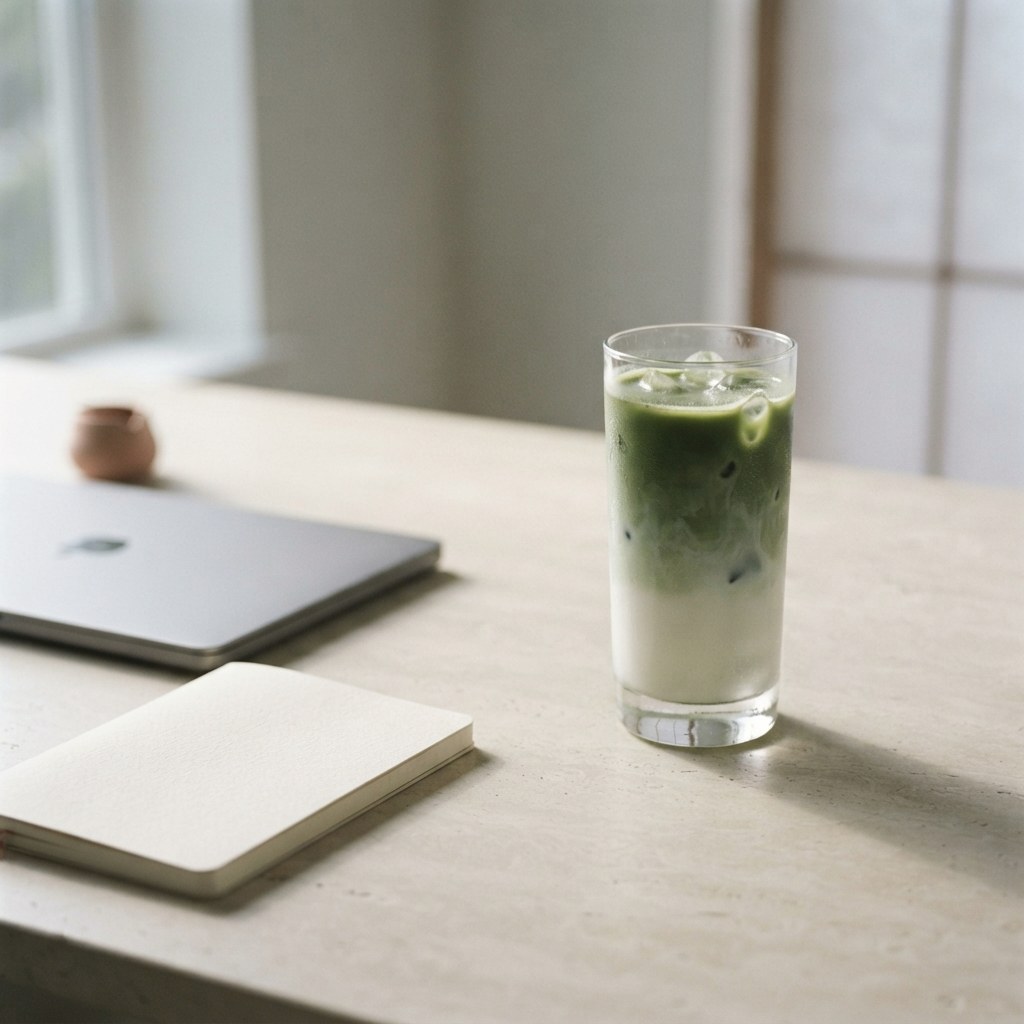
No experience needed, and no expectation that you’ll take up tea ceremony afterwards. Come for an afternoon; leave knowing how to make a bowl properly — and knowing what you actually like.
Because taste isn’t a ranking. People genuinely disagree about which matcha is best, and every one of them is right.
Small groups, so everyone gets attention and nobody hides at the back. All tools and matcha provided — nothing to bring and nothing to prepare. Sessions vary in size and length depending on the venue and the group, and we’ll always tell you the details before you book.
Tell me when you’re near meThe collection
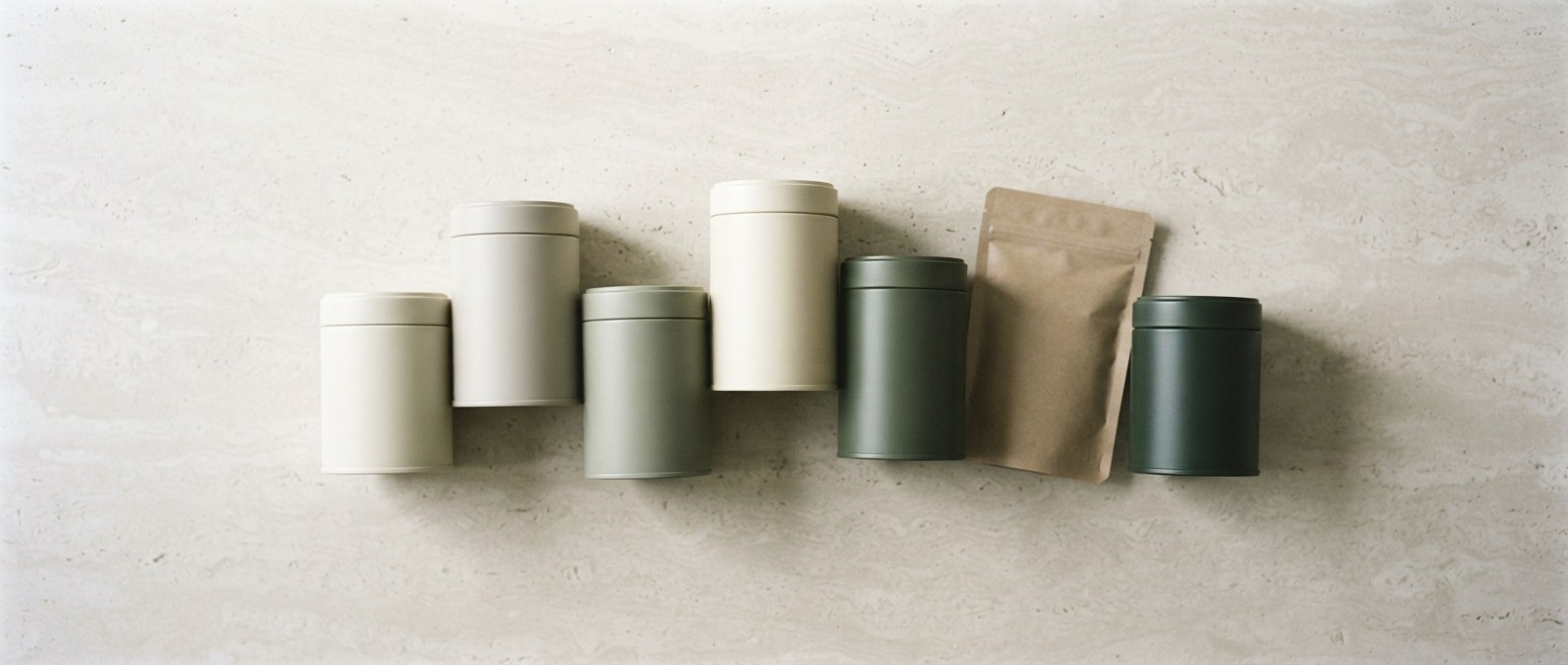
High-grade Japanese matcha, and the tools to make it properly. That’s the whole range. We taste everything before we stock it — and we’d rather carry a few good things than a shelf of ordinary ones.
Origin
Tea has grown in the hills south of Kyoto since the twelve-hundreds. By the time the tea ceremony took shape, Uji was already where you went for the best leaf — and eight centuries later it still is.
The finest fields are covered for a few weeks before picking. Deprived of sun, the leaf turns sweeter and darker. Then it’s ground between granite wheels, slowly — about thirty grams an hour — because speed makes heat, and heat costs colour, aroma and sweetness.
Most of our matcha comes from Uji and the hills around Kyoto. But Uji isn’t the only part of Japan making something worth drinking — other regions grow leaf with a character of its own, and we buy from them when it earns its place. We’d rather follow the leaf than the postcode.
We’re building direct relationships with growers rather than buying blends through a trading house. Those aren’t signed yet, so we’re not printing a farmer’s name on a tin to look older than we are. When we can name them, we’ll name them here.
We’d rather tell you what we don’t know yet.
Partner with us
Matcha Ting began with a room, a few bowls, and people who wanted to slow down for an afternoon. The idea turns out to be portable — the teaching, the sourcing and the ritual work as well in one city as in another.
Every Matcha Ting is a pavilion. We’d like there to be one in a lot of cities.
The list
We’re opening our first workshops and bringing in our first small batch from Uji. Leave your name and your city, and we’ll write when there’s a seat or a tin worth telling you about. Once. When it matters. This isn’t a newsletter.